Cart
0
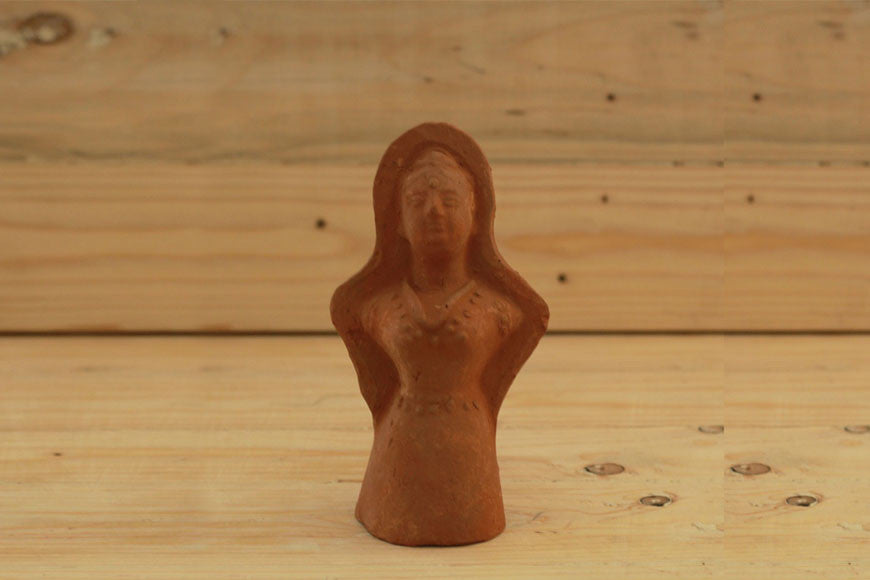
Quick answer: Rani putul, or queen dolls, are crafted in several areas of Howrah district, including South Patil, Narendrapur and Jagatballavpur. Artisans make them in a two-faced mould and fire them, so they are mainly burnt clay. According to art researchers, the dolls are modelled on Queen Victoria.
Rani putul- the treasure of Howrah
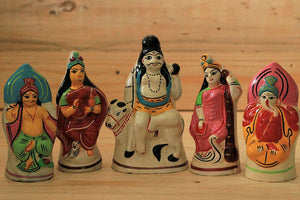
Howrah is a district which is primarily known as the industrial hub of Bengal. But, since yesteryears, majestic dolls called Rani putul are crafted in various areas of Howrah district. The structure of these dolls might have a resemblance with Shashti putul or Shashti dolls. People residing in South Patil, Narendrapur, Jagatballavpur refer to these magnificent dolls as ‘Rani Putul.’ The artisans of Howrah have been able to hold on to the legacy of the forefathers and still craft these queen dolls in present times. These artisans make these structures in a two-faced mould and fire them. The queen dolls are primarily made up of burnt clay. The modern day artists often apply a coat of paint or glitter to add lustre to these dolls. Some of them are also offered a coat of red paint with mica. Their legs seem to be covered by long ghagras (flared skirts) which make the appearance seem royal. Queen dolls stand out in terms of style or pattern in the wide category of Bengals’s dolls.
How Rani putul dolls are made
- Artisans make the dolls in a two-faced mould.
- The dolls, made primarily of clay, are fired.
- Modern-day artists often apply a coat of paint or glitter to add lustre.
| Topic | Detail |
|---|---|
| Where made | South Patil, Narendrapur and Jagatballavpur in Howrah district |
| Material | Primarily burnt clay |
| Method | Made in a two-faced mould and fired |
| Finish | A coat of paint or glitter, sometimes red paint with mica |
| Attire | Long ghagras (flared skirts) |
| Inspiration | According to art researchers, Queen Victoria |
Rani putul at a glance, as described in this article
Who inspired the queen dolls?
It may sound surprising but these queen dolls will not remind you of the queens of fairytale wonders like Thakumar Jhuli (a well-known collection of Bengali folk tales). Even the artisans say that their unique craftsmanship is not influenced by the myriad fairytales of Bengal. The round face of these dolls might further confuse you. The inspiration of the artisans rather lies in a real life queen made up of flesh and blood. According to art researchers, the artisans make these dolls keeping Queen Victoria in mind.
Why are the dolls linked to Queen Victoria?
Queen Victoria’s love and deep connection for Bengal is known to all. She had asked the royal officials to treat India with empathy and love and disestablished the rule of East India Company. Her attitude towards India thoroughly impressed and touched the hearts of Indians. She became the empress of India in 1876 and also received the title of ‘Qaisar-i-Hind’. The popularity of Queen Victoria had also left a deep impact in the Patachitra (a traditional painting style of Bengal) art of Kalighat. Similarly, the artisans of South Patil or Jagatballavpur crafted Queen dolls whose face had a striking similarity with Queen Victoria. According to the art historians, the attire and hair style of the magenta or red coloured queen dolls also indicate the same. Today, the artisan family of Dibapakar Pal of Howrah still crafts these queen dolls with utmost love. Looking at these, it seems that a human has been transformed into a doll magically.
How do the dolls suit home decor?
The Rani putul or Queen dolls can add a majestic appeal to the décor of your home.
Key terms
- Ghagra
- Flared skirts
- Patachitra
- A traditional painting style of Bengal
- Thakumar Jhuli
- A well-known collection of Bengali folk tales