Cart
1

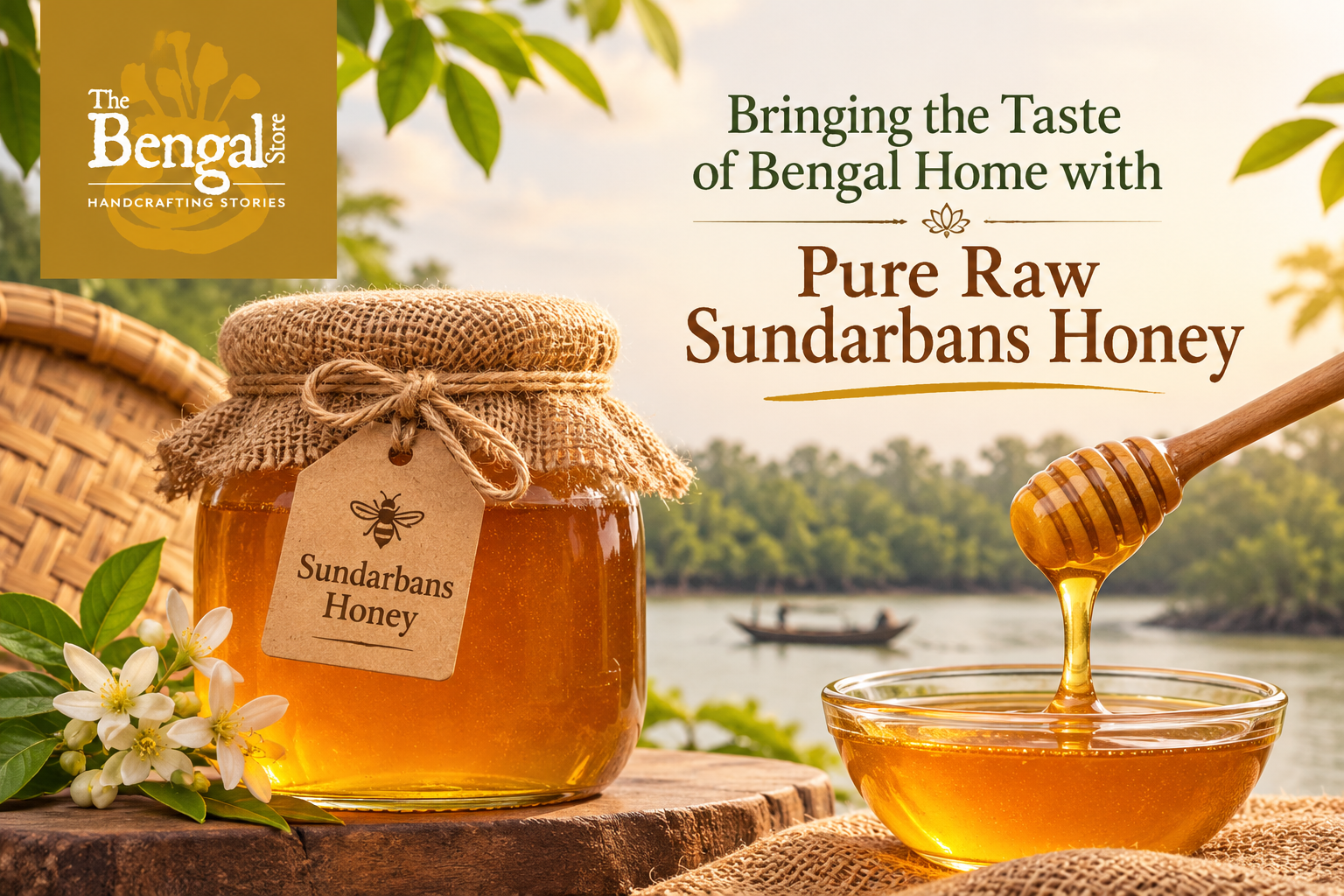
Quick answer: Sundarbans honey comes from bees that gather nectar from plants in the Sundarbans mangrove forest. The giant honey bee Apis dorsata makes it. As with all raw honey, it should not be given to infants.
The Mysteries of Sundarbans Honey: A Dive into its Unique Chemical Composition and Medicinal Wonders
In the big, green Sundarbans, the largest mangrove forest (a coastal forest of salt-tolerant trees) globally, there's a hidden gem - Sundarbans honey.
It's like a special treasure that not everyone knows about. This honey is more than just sweet; it has something special inside it. The Sundarbans honey is kind of like magic because it has a different mix of things that can be good for your health.
Imagine going on an adventure through the Sundarbans to find out the secrets of this special honey. Sundarbans honey carries the flavours of the forest plants the bees visit. Let's dive into this sweet jungle and discover what makes Sundarbans honey so unique!
The Sundarbans a Biodiverse Haven: Nature's Pharmacy
The Sundarbans is a special place that stretches across the meeting point of the Padma, Meghna, and Brahmaputra rivers, and it's even recognized by UNESCO as a World Heritage Site. This area is like a natural treasure chest because it's full of different kinds of plants and animals. The forest has many plants used in traditional remedies. The honey takes on some of the character of these plants.
The Making of Sundarbans Honey
Sundarbans honey is crafted by the special bees called Apis dorsata, or the Giant Honey Bee. These bees are like expert chefs who gather nectar (a sugary liquid produced by flowers) from the diverse plants in the mangrove. It's like they create a recipe using the nectar from different medicinal plants. This mix of flavours from various plants gives Sundarbans honey its distinctive taste.
Chemical Composition of Sundarbans Honey
Sundarbans honey contains antioxidants, flavonoids (a group of plant compounds) and phenolic compounds, as honey generally does. Think of these as the superheroes of the natural world. The honey contains compounds from the plants of the Sundarbans. So, when you enjoy a spoonful of Sundarbans honey, you're not just tasting sweetness – you're getting a dose of nature's goodness..
Potential Medicinal Properties
- Wound Healing Powerhouse:
Honey has been used traditionally on minor cuts. See a doctor for wounds and burns. Sundarbans honey has been traditionally used by local communities on cuts and burns, and this is not medical advice.
- Soothing Respiratory Relief:
Sundarbans honey may also offer relief for respiratory issues. Honey is traditionally taken to soothe a sore throat. This makes it a potential complementary remedy for conditions like coughs and asthma.
Cautions and Considerations
While Sundarbans honey harbours medicinal benefits, it's essential to approach its consumption with caution. Raw honey may contain spores of the bacterium Clostridium botulinum, potentially harmful to infants. It's advisable to consult with healthcare professionals before incorporating it into any therapeutic regimen.
Conclusion
In the heart of the Sundarbans, a jar of honey is more than a sweet indulgence; it's a testament to the intricate dance between nature and health. Sundarbans honey has a distinctive composition shaped by the plants of the mangrove forest.
Sundarbans honey is a distinctive product of the mangrove forest. If you're seeking pure Sundarbans honey, you can conveniently find it at The Bengal Store.
Frequently asked questions
Which bee makes Sundarbans honey?
Sundarbans honey is made by the giant honey bee, Apis dorsata. The bees gather nectar from the diverse plants in the mangrove forest.
Where is the Sundarbans?
The Sundarbans is a mangrove forest that stretches across the meeting point of the Padma, Meghna and Brahmaputra rivers. The article describes it as the largest mangrove forest in the world and a UNESCO World Heritage Site.
What gives Sundarbans honey its taste?
The article says the honey carries the flavours of the forest plants the bees visit, and the mix of nectar from different plants gives it a distinctive taste.
Why should raw honey not be given to infants?
The article says raw honey may contain spores of the bacterium Clostridium botulinum, which are potentially harmful to infants.
Sources and further reading
Key terms
- Mangrove forest
- A coastal forest of salt-tolerant trees.
- Nectar
- A sugary liquid produced by flowers, which bees gather to make honey.
- Apis dorsata
- The Giant Honey Bee, the bee species that makes Sundarbans honey.
- Flavonoids
- A group of plant compounds.