Cart
0
Quick answer: Fairs give local artisans a place to show and sell handmade creations, such as the claycrafts sold by The Bengal Store. Five benefits are celebrating diversity in artistry, visibility, direct contact with customers, economic empowerment and preserving cultural heritage. Fairs draw art enthusiasts, collectors and potential customers.
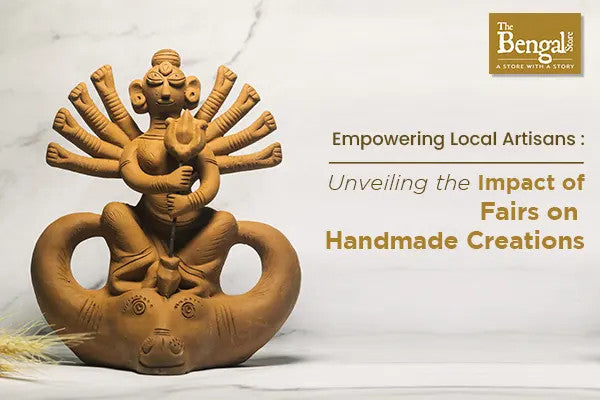
Empowering Local Artisans: Unveiling the Impact of Fairs on Handmade Creations
In an era dominated by mass production and global markets, the intrinsic value of craftsmanship can be easily overlooked. Nonetheless, a renewed fascination with handmade creations like those claycrafts found online on The Bengal Store is emerging, offering local artisans a notable platform at fairs. These events not only highlight the diverse spectrum of artistry but also serve as a powerful means of empowerment for artisans.
Participation in such fairs is pivotal, as it affords these craftsmen a unique opportunity to showcase and sell their creations, allowing them to break through the constraints of mainstream markets. By celebrating the individuality and skill of local artisans, these fairs play a vital role in empowering them, enabling them to step into the spotlight and gain recognition for their unique contributions to the world of craftsmanship.
This blog will explore the indispensable role that fair participation plays in elevating and empowering these talented individuals.
Celebrating Diversity in Artistry
Local fairs serve as a melting pot of diverse artistic expressions. Artisans from various backgrounds, communities, and regions come together to showcase their unique creations. From traditional crafts to contemporary artworks, these fairs celebrate the rich tapestry of human creativity. This diversity not only adds vibrancy to the events but also offers attendees a chance to explore and appreciate different forms of craftsmanship.
Providing a Platform for Visibility
For many local artisans, visibility is a major hurdle in reaching a wider audience. Participating in fairs, like those offered by The Bengal Store, acts as a catalyst in overcoming this challenge. These events attract a diverse audience, including art enthusiasts, collectors, and potential customers. The exposure gained during such fairs can open new doors for artisans, helping them establish a presence in the market and gain recognition for their unique talents.
Connecting Artisans with Customers
One of the primary benefits of participating in fairs is the direct interaction between artisans and customers. Handmade creations have a story and a personal touch that resonates with buyers. Fairs provide a platform for artisans to share these stories, forging a connection with customers who appreciate the craftsmanship behind each piece. This direct interaction not only enhances the buying experience but also fosters a sense of community.
Boosting Economic Empowerment
Local artisans often face economic challenges due to limited market access. Fairs serve as a lucrative marketplace where artisans can sell their creations directly to customers. By bypassing intermediaries, artisans can earn a fair price for their work, contributing to their economic empowerment. This direct financial benefit encourages artisans to continue pursuing their craft, creating a sustainable model that supports local economies.
Preserving Cultural Heritage
Many local artisans specialise in traditional crafts passed down through generations. Participation in fairs not only provides a platform for showcasing these crafts but also contributes to the preservation of cultural heritage. As these artisans find a market for their traditional creations, they are incentivized to continue practising and passing on their skills, ensuring the longevity of cultural traditions and by selling the claycrafts online.
Summary
In conclusion, local fairs, such as those hosted by The Bengal Store, play a pivotal role in empowering artisans by offering them a platform to showcase and sell their handmade creations. From celebrating diversity in artistry to providing visibility, connecting with customers, boosting economic empowerment, and preserving cultural heritage, these fairs serve as catalysts for positive change in the lives of local artisans. As consumers, recognizing the impact of our support at these events goes beyond acquiring a unique handmade piece; it becomes a gesture of empowerment for the talented individuals behind each creation. So, the next time you explore claycraft online or attend a local fair, take a moment to appreciate the craftsmanship and the stories woven into the fabric of each handmade creation, knowing that your support contributes to the empowerment of local artisans.
| Benefit | What the article says |
|---|---|
| Celebrating diversity | Artisans from different backgrounds and regions show traditional and contemporary work |
| Visibility | Fairs attract art enthusiasts, collectors and potential customers |
| Connection with customers | Artisans share the stories behind their work directly with buyers |
| Economic empowerment | Artisans sell directly to customers, bypassing intermediaries |
| Preserving cultural heritage | A market for traditional crafts encourages artisans to pass on their skills |
Table 1: Ways fairs support local artisans, as described in this article
Frequently asked questions
How do fairs help local artisans?
The article says fairs give artisans a place to show and sell their handmade creations. It lists diversity in artistry, visibility, direct contact with customers, economic empowerment and preserving cultural heritage.
Who attends fairs for local artisans?
According to the article, fairs attract a diverse audience, including art enthusiasts, collectors and potential customers.
Why can artisans earn a fair price at fairs?
The article says artisans sell their creations directly to customers at fairs. By bypassing intermediaries, they can earn a fair price for their work.