Cart
0
Quick answer: Traditional products carry cultural and historical meaning in their colours, patterns, motifs and materials. In many Asian cultures, red symbolises good luck and prosperity, while white is associated with purity and mourning. Floral motifs in Indian textiles can represent fertility and growth.
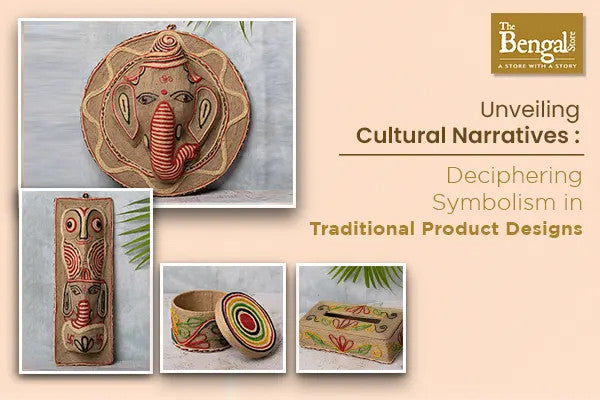
Unveiling Cultural Narratives: Deciphering Symbolism in Traditional Product Designs
Traditional products transcend mere functionality; they are repositories of cultural and historical narratives, encapsulating the essence of their creators. Far beyond utilitarian objects, these artefacts bear the weight of symbolic expressions, intricately woven into their designs and patterns. Each motif (a recurring design element in a pattern), colour, and material choice speaks volumes about the beliefs, values, and stories embedded in the communities that craft them.
| Design element | What it can show |
|---|---|
| Colour palette | Red symbolises good luck and prosperity, while white is associated with purity and mourning, in many Asian cultures |
| Patterns and motifs | Geometric patterns in Islamic art symbolise unity and order; floral motifs in Indian textiles can represent fertility and growth |
| Material selection | Specific woods or metals may be linked to the resources of a region or to craftsmanship traditions |
Table 1: Design elements and their meanings
This exploration seeks to unearth the profound cultural and historical significance woven into traditional products. By delving into their designs, we unravel hidden symbolism, decoding a visual language that echoes through generations. These traditional products serve as tangible records of heritage, connecting us to the past, and their symbolic intricacies provide a window into the rich tapestry of human experience that extends far beyond the utilitarian aspects of their creation.
The Symbolic Language of Traditional Designs
- Colour Palette
The choice of colours in traditional product designs often goes beyond aesthetic preferences; it carries symbolic meanings deeply rooted in cultural traditions. For example, in many Asian cultures, red symbolises good luck and prosperity, while white is associated with purity and mourning. Exploring the colour palette of traditional products can provide insights into the cultural symbolism ingrained in these creations.
- Patterns and Motifs
The repetitive use of patterns and motifs in traditional designs is a form of visual language that communicates stories and beliefs. For instance, geometric patterns in Islamic art often symbolise unity and order, while floral motifs in Indian textiles can represent fertility and growth. Deciphering these intricate designs unveils a tapestry of cultural narratives that have been passed down through generations.
- Material Selection
The choice of materials in traditional product designs is often steeped in historical significance. For instance, the use of specific types of wood or metals may be linked to the availability of resources in a particular region or signify craftsmanship traditions. Understanding the materials used in traditional products provides a glimpse into the resourcefulness and ingenuity of communities over time.
The Historical Tapestry
- Evolution of Designs Over Time
Exploring the progression of traditional designs provides a historical lens through which societal shifts, influences, and migrations have sculpted these creations. Whether deciphering ancient symbols on pottery or unravelling the intricate patterns within textiles, tracing the evolution of traditional designs reveals a dynamic narrative, mirroring the cultural tapestry of diverse epochs.
Each artefact becomes a tangible thread in the fabric of time, offering glimpses into the historical forces and artistic influences that have shaped these enduring expressions of cultural heritage.
- Trade Routes and Cultural Exchange
Traditional product designs often bear the imprints of cultural exchange through trade routes. The silk roads, for instance, facilitated the exchange of not only goods but also artistic ideas and designs. Exploring the motifs and patterns in traditional products can reveal the interconnectedness of diverse cultures and the fascinating fusion of artistic elements from distant lands.
Wrapping Up
In conclusion, traditional product designs serve as repositories of cultural and historical significance, encapsulating the essence of communities and their stories. The symbolism embedded in the colour palette, patterns, motifs, and material choices of these artefacts creates a visual language that transcends time.
By deciphering this symbolic language, we gain a deeper appreciation for the craftsmanship and cultural richness that traditional products embody. As we explore these designs, we embark on a journey through time, unravelling the threads of cultural heritage woven into each intricate creation.
In a world that is constantly evolving, the preservation and understanding of traditional designs become crucial in ensuring that the vibrant tapestry of our cultural history is not lost but continues to thrive.
Frequently asked questions
What do colours symbolise in traditional product designs?
The article says that in many Asian cultures, red symbolises good luck and prosperity, while white is associated with purity and mourning.
What can patterns and motifs in traditional designs mean?
The article gives examples: geometric patterns in Islamic art often symbolise unity and order, and floral motifs in Indian textiles can represent fertility and growth.
Why does the choice of material matter in traditional products?
The article says the use of specific types of wood or metals may be linked to the resources available in a region, or may signify craftsmanship traditions.
How did trade routes influence traditional designs?
The article says trade routes carried artistic ideas and designs as well as goods. It gives the silk roads as an example, and says motifs and patterns can reveal links between different cultures.
Key terms
- Motif
- A recurring design element in a pattern.
- Silk Roads
- The ancient network of trade routes that linked East Asia with the Mediterranean and carried goods and ideas between regions.